If you’re trying to buy into Leaside, one question can shape your whole strategy: should you stretch for a detached home, or choose a semi-detached home and keep more flexibility in your budget? It’s a smart question, especially in a neighbourhood where both home types are part of the local fabric and both can make sense depending on your goals. This guide will help you compare price, space, lot size, renovation potential, and resale considerations in Leaside so you can make a more confident decision. Let’s dive in.
Why both home types fit Leaside
Leaside was planned as a low-rise residential community, not a patchwork of one housing type. City and heritage planning material describe a neighbourhood with a mix of detached, semi-detached, multi-family, and bungalow homes, shaped by a garden-city style street pattern with curved and diagonal roads.
That matters because it means detached and semi-detached homes are both normal parts of Leaside’s housing stock. In other words, choosing a semi is not a compromise on neighbourhood fit, and choosing a detached is not the only path that aligns with the area’s long-term character.
Leaside price differences today
The clearest difference between detached and semi-detached homes in Leaside is price. In May 2026, the average sale price was $2,465,667 for detached homes and $1,450,000 for semi-detached homes. In June 2026, those averages moved to $2,945,625 for detached homes and $1,572,667 for semis.
Those are meaningful gaps, but they should be read carefully. Leaside had only 11 sales in June, and one record detached sale pushed the average higher, so these numbers work best as a directional snapshot rather than a fixed benchmark.
What is more useful for buyers is the entry point. Recent Leaside reporting placed the starting range for both property types at roughly $1.3 million, with early July showing an entry point as low as $1.086 million for a semi-detached home and active listings reaching as high as $7.295 million.
Detached vs semi at a glance
| Factor | Detached Home | Semi-Detached Home |
|---|---|---|
| Typical price bracket in Leaside | Higher, often mid-$2M range and up | Lower entry point, often around $1.1M to $1.6M |
| Lot frontage | Often around 32 to 36 feet | Often around 20 to 26 feet |
| Lot depth | Often around 90 to 135 feet | Often around 105 to 135 feet |
| Interior space | Usually larger and more variable | Often efficient, functional layouts |
| Renovation flexibility | Usually more straightforward | Possible, but often more constrained by shared-wall rules |
| Best fit for | Buyers prioritizing land, privacy, and expansion potential | Buyers prioritizing Leaside access, budget efficiency, and lower carrying pressure |
How space and lot size compare
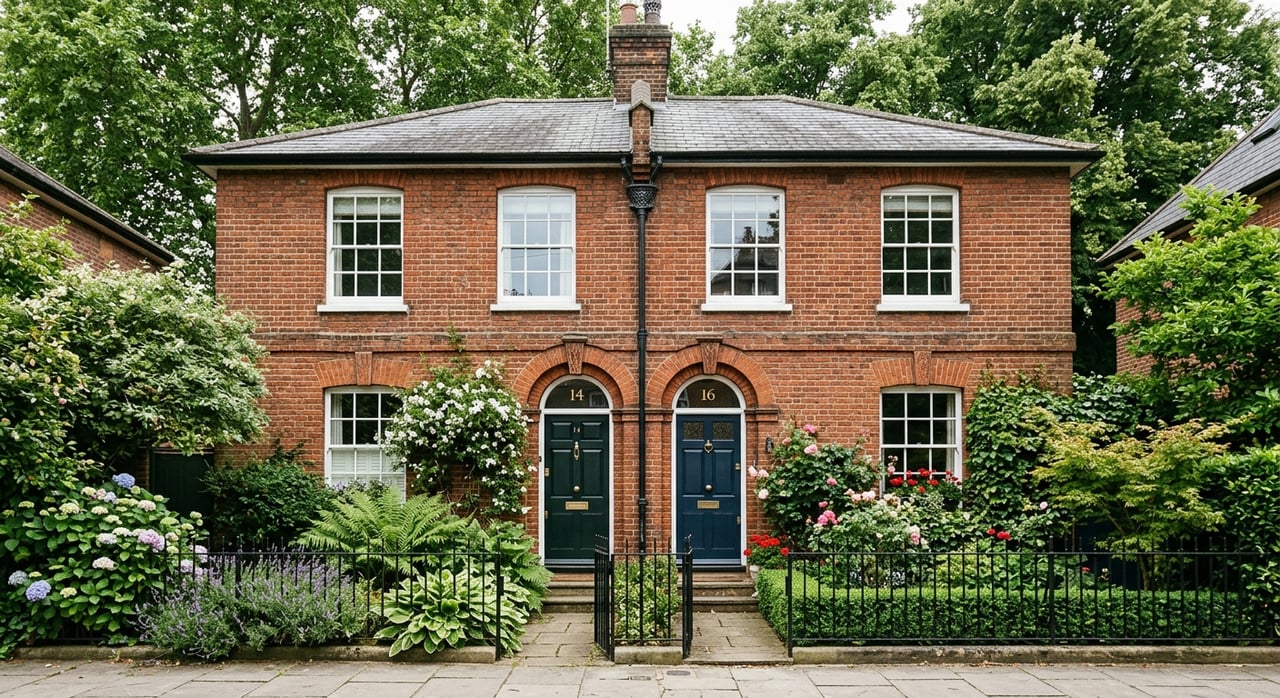
In Leaside, semi-detached homes often sit on lots with about 20 to 26 feet of frontage and roughly 105 to 135 feet of depth. Recent examples include lots sized 25 x 105 feet, 25.17 x 125 feet, 20 x 134 feet, and 25.09 x 135 feet. Finished space commonly falls around 700 to 1,500 square feet, although some homes offer more functional living area.
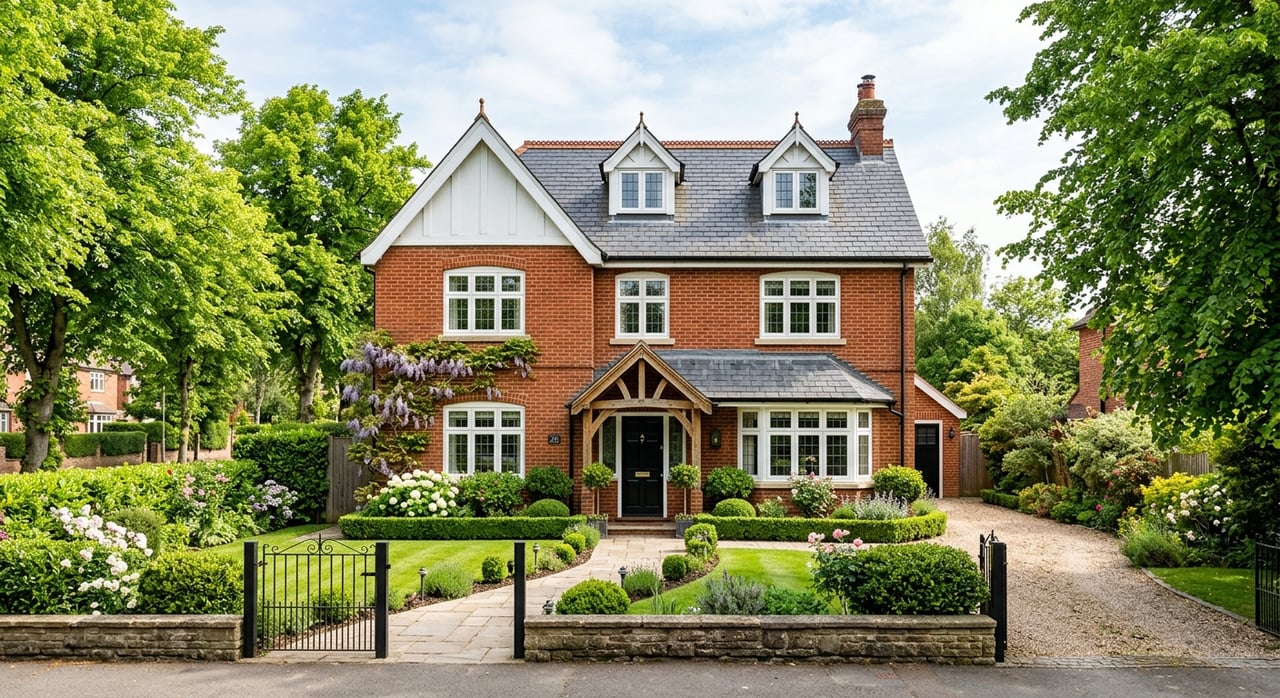
Detached homes are usually wider and more varied. Current examples include lots around 32 x 90 feet, 36 x 130 feet, 34 x 135 feet, and 32 x 135 feet, with larger interior footprints overall.
That extra width changes how a home feels day to day. You may notice it in the main floor layout, stair placement, natural light, storage, side access, or yard use. A detached home does not just give you more land on paper. It often gives you more ways to use the property over time.
Renovation potential matters more than many buyers expect
If you already know you want to renovate, expand, or think long term about rebuilding, the property type matters. Local zoning information for East York and Leaside shows that detached and semi-detached homes are governed by different frontage and setback standards.
One of the most important details is that semi-detached homes do not need a side-yard setback on the shared wall. The zoning framework also limits additions over semis unless both sides are treated similarly or the addition stays behind the rear wall.
In practical terms, detached homes usually offer a cleaner path for side additions, rear expansions, garage changes, and future rebuild potential. Semis can still be improved, but the planning process often requires more care around the shared wall and the lot envelope.
This is where a numbers-driven strategy really helps. Two homes can look similar online, but their long-term flexibility may be very different once you account for lot dimensions, configuration, and zoning constraints.
Semi-detached does not always mean small
It is easy to assume a semi-detached home will feel cramped, but that is not always true in Leaside. Some recent examples show semis with deep lots, finished basements, strong parking setups, detached garages, and efficient family-friendly layouts.
For example, one Leaside semi included a separate entrance, detached garage, corner lot, and a laneway housing report. Others highlighted renovated interiors and practical parking solutions. So while semis usually offer less land than detached homes, they can still check many of the boxes buyers care about most.
If your goal is to live in Leaside without taking on the full cost of a detached property, a well-configured semi can be a very smart middle ground.
Resale outlook in Leaside
Leaside’s resale strength is tied to neighbourhood stability. Toronto’s Official Plan describes Neighbourhoods as physically stable areas where change should fit the existing pattern, and that supports the long-term appeal of homes that are well located, well maintained, and sensibly priced.
Recent local market activity also suggests that buyers respond quickly when the pricing is right. In May 2026, average days on market in Leaside were 13. In June, semi-detached sales averaged just 5 days, and 45.5% of all sales closed at or above asking.
That does not mean every home will sell instantly. It does mean both detached and semi-detached homes can attract strong demand in Leaside when the home, price, and presentation line up.
When detached makes more sense
Detached homes usually make the strongest case when you are buying for land, privacy, and future optionality. Wider lots, more obvious yard utility, and a larger building envelope can support a more ambitious renovation or a longer-term hold strategy.
The recent record Leaside sale is a strong example. A detached home on a 46 x 300 foot lot sold in 11 days at full asking, showing how exceptional land can push a property into a very different value category.
Detached may be the better fit for you if:
- Your budget is closer to the mid-$2 million range or above
- You want more privacy and separation from neighbors
- You expect to expand, substantially renovate, or rebuild later
- You want a larger footprint for long-term household needs
- You see land as a major part of the investment story
When semi-detached makes more sense
Semi-detached homes often win on affordability and efficiency. They can give you access to Leaside at a lower capital cost, which may reduce carrying pressure and leave more room for updates, furnishings, or future financial flexibility.
This can be especially important because Toronto-wide data in early 2026 showed semi-detached homes were tightest in the $1 million to $1.4 million range. Homes above $1.4 million and $1.6 million and up were also selling quickly when priced well, which suggests there is still solid demand for semis at higher price points.
Semi-detached may be the better fit for you if:
- Leaside is your must-have location and you want a lower entry cost
- Your budget is roughly in the $1.1 million to $1.4 million range
- You want to preserve funds for renovations or lifestyle flexibility
- You prefer an efficient layout over maximum lot size
- You are focused on location first and land size second
The best choice depends on your five-year plan
If you only compare detached and semi-detached homes based on today’s square footage, you can miss the bigger picture. The better comparison is how each option supports your next five years.
Ask yourself a few practical questions:
- Do you want the lowest possible entry into Leaside?
- Is future renovation potential a major priority?
- Are you comfortable paying more now for land and flexibility later?
- Would you rather buy a semi and improve it over time?
- Are monthly carrying costs likely to affect your comfort level?
A detached home may be the right strategic move if you want maximum control over the property long term. A semi may be the smarter move if getting into Leaside now matters more than maximizing lot size on day one.
A calm way to think about the trade-off
In Leaside, this is not really a question of better versus worse. It is a question of land and flexibility versus entry cost and efficiency.
Detached homes usually offer the stronger land-value story and a cleaner path to customization. Semi-detached homes usually offer a more accessible way into the neighbourhood while still benefiting from Leaside’s stable character and strong buyer demand.
The right answer depends on what you value most, how long you plan to stay, and how you want your money working for you. When you look at the numbers and the property details together, the choice often becomes much clearer.
If you’re weighing detached versus semi-detached in Leaside, Nero Property Group can help you compare the trade-offs with clear market context and practical guidance. Explore your next move with neropropertygroup.com.
FAQs
What is the main price difference between detached and semi-detached homes in Leaside?
- Recent Leaside market reports showed detached homes averaging about $2.47 million in May 2026 and $2.95 million in June 2026, while semi-detached homes averaged about $1.45 million in May and $1.57 million in June.
Are semi-detached homes common in Leaside, Toronto?
- Yes. Planning and heritage material describe Leaside as a planned community with a mix of detached, semi-detached, multi-family, and bungalow homes, so semis are a normal part of the neighbourhood’s housing stock.
Do detached homes in Leaside usually offer more renovation flexibility?
- In many cases, yes. Local zoning standards make detached homes generally more straightforward for side additions, rear expansions, garage changes, and future rebuild options than semi-detached homes.
Can a semi-detached home in Leaside still work for a long-term buyer?
- Yes. A semi can be a strong long-term option if the layout is efficient, the lot is deep, and the home is well maintained and well located within Leaside.
Which Leaside home type is better for a lower entry budget?
- A semi-detached home is usually the more budget-friendly option if you want to enter the Leaside market at a lower capital cost.
Do detached and semi-detached homes both resell well in Leaside?
- Both can perform well when they are well located, properly maintained, and priced sensibly. Recent Leaside data showed quick sales activity, especially for correctly priced homes.