Selling in Leaside is not just about putting a sign on the lawn and waiting for offers. In a neighbourhood known for established homes, mature streetscapes, and strong buyer expectations, presentation matters. If you want to attract serious buyers and protect your price, the right prep work can make a meaningful difference. Let’s dive in.
Why prep matters in Leaside
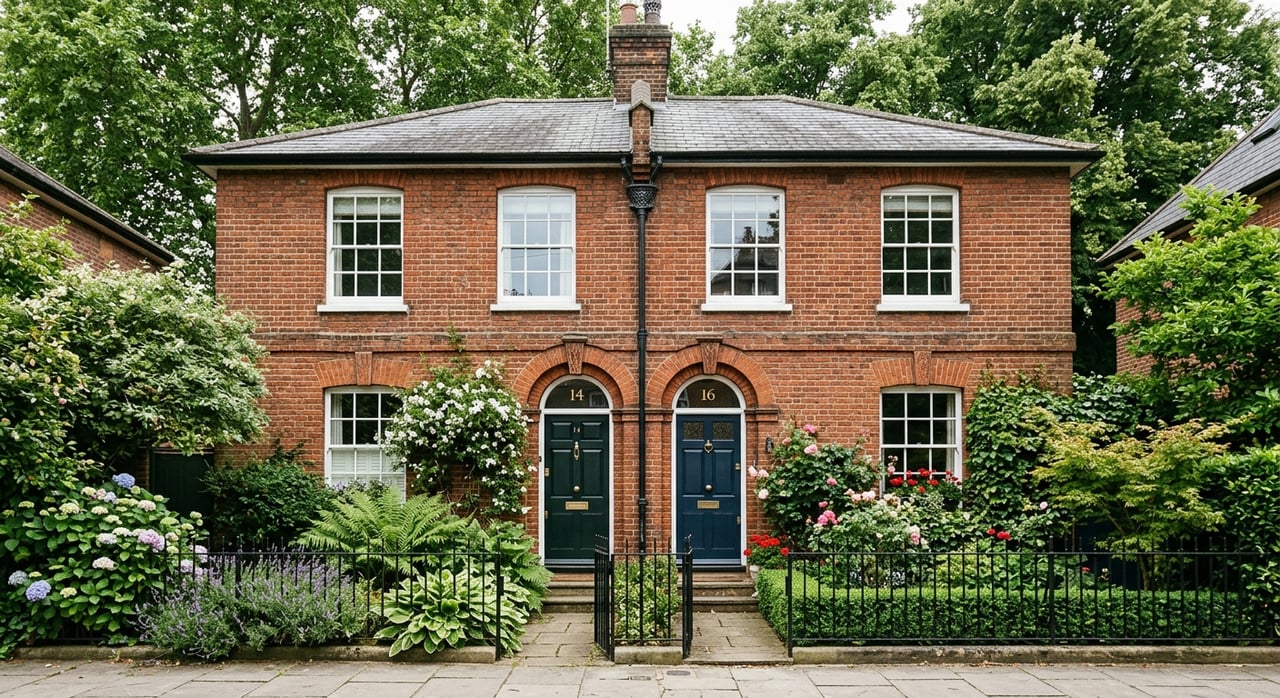
Leaside has a long-established garden-suburb history, with roots dating back to 1912. City of Toronto heritage notices also connect parts of the area, especially along Bayview, to Arts-and-Crafts and Tudor Revival character. That history matters because many buyers respond well to homes that feel well cared for, thoughtfully maintained, and true to their original character.
That does not mean your home needs to look old-fashioned. It means buyers often notice the details: clean lines, tidy upkeep, preserved trim, good light, and a layout that feels comfortable rather than overworked. In Leaside, a polished home often feels more convincing than one filled with rushed upgrades.
Market conditions also support a careful approach. In June 2026, GTA sales were up 9.4% year-over-year, while new listings were down 12.9%, and the average GTA selling price was $1,058,658. At the same time, the MLS Home Price Index benchmark was down 5.4% year-over-year, which shows that buyers were active but still price-sensitive.
That matters even more in Toronto’s 416 area, where detached homes averaged $1,648,440 and semi-detached homes averaged $1,264,782 in June 2026. Since those home types are central to Leaside, sellers should not assume demand alone will do the work. Buyers are still selective, and they tend to compare condition, presentation, and value very closely.
Start with decluttering and cleaning
If you only do a few things before listing, start here. CREA’s seller-prep guidance emphasizes decluttering, depersonalizing, fixing small issues, cleaning thoroughly, and making the space feel functional. Those steps are simple, but they often create the biggest visual improvement.
Decluttering means more than putting things in closets. Buyers open doors, look in storage areas, and notice whether rooms feel crowded. The goal is to make each space look easy to use and easy to maintain.
Try to remove anything that makes a room feel smaller or busier than it is. That often includes excess furniture, large collections, crowded bookshelves, family photos, and too much decor. A cleaner visual field helps buyers focus on the home itself instead of your belongings.
Deep cleaning also carries real weight. Kitchens and bathrooms should feel fresh, bright, and cared for. Windows, floors, baseboards, light fixtures, and overlooked corners all matter because buyers tend to connect cleanliness with overall maintenance.
Focus on the rooms buyers notice most
Not every room needs the same level of effort. According to a large 2025 staging survey, the rooms buyers’ agents most often identified as most important were the living room, primary bedroom, and kitchen. Sellers most commonly staged the living room, primary bedroom, dining room, and kitchen.
For a Leaside seller, that creates a clear order of operations. If your time or budget is limited, put your energy into the spaces that shape first impressions and day-to-day livability. Those are the rooms where buyers often picture themselves first.
Living room
Your living room should feel open, bright, and easy to arrange. Remove oversized furniture if the room feels tight, simplify wall decor, and create clear walking paths. In older homes with character details, keeping this room balanced can help original features stand out.
Kitchen
The kitchen should be in tip-top shape before photos or showings. Clear counters, put away small appliances, and make sure surfaces sparkle. Even if your kitchen is not newly renovated, a clean and orderly one usually shows much better than a cluttered space with more updates.
Primary bedroom
The primary bedroom should feel calm and spacious. Keep bedding simple, reduce extra furniture if possible, and clear nightstands and dressers. Buyers tend to respond well when the room feels restful and functional.
Entry and dining areas
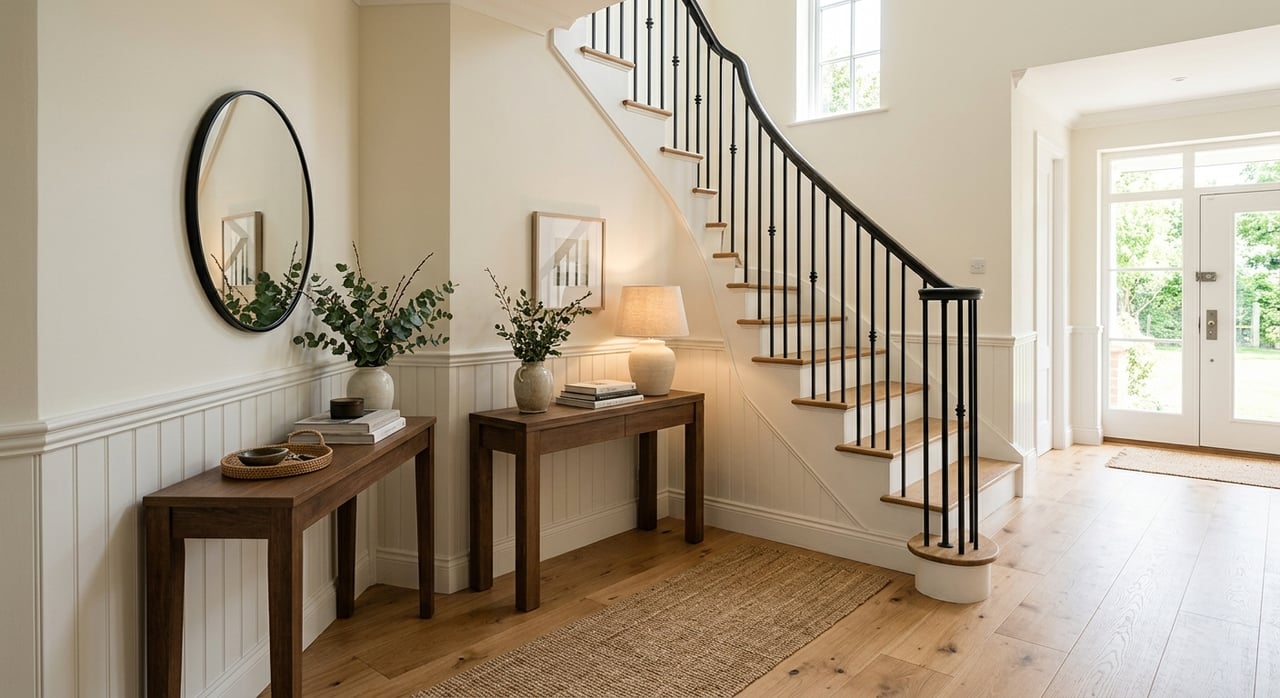
Your entry sets the tone within seconds. Keep it clean, bright, and free of shoes, bags, and daily clutter. If you have a dining area, make sure it feels proportional and easy to understand, even if your household uses it differently day to day.
Make small updates that improve first impressions
Before listing, many sellers wonder whether they should renovate. In most cases, the smartest updates are light, cosmetic, and low-risk. The goal is to reduce buyer objections and improve presentation, not to take on major construction right before sale.
The City of Toronto says building permits are required for additions and structural or material alterations, including adding or removing walls, creating new openings, relocating openings, certain basement work, plumbing or heating work, and creating a second suite. By contrast, like-for-like window or door replacement, replacing plumbing fixtures, cabinetry and millwork, and replacing roofing material without structural work are examples the City lists as work that does not require a permit.
That is why many of the best pre-sale updates are simple ones. Fresh paint, hardware swaps, caulking touch-ups, minor repairs, updated light fixtures, and landscaping cleanup can improve how a home feels without adding permit complexity. These updates usually help you move faster and stay focused on sale readiness.
Quick update checklist
- Touch up paint in a neutral, clean finish
- Repair loose handles, squeaky doors, and cracked caulking
- Replace burned-out bulbs and improve room brightness
- Refresh front entry details like house numbers or a worn mailbox
- Tidy gardens, edge lawns, and trim overgrowth
- Regrout or reseal visibly worn kitchen or bath areas if needed
Be careful with exterior character
In Leaside, curb appeal is not just about being neat. In some areas, it is also about respecting the style and proportions that make the home feel connected to the street. If your home has older masonry, trim, windows, or other character features, preserving them may be more persuasive than over-modernizing the facade.
That does not mean you should avoid improvements. It means you should be thoughtful. A clean walkway, pruned landscaping, tidy brickwork, and well-maintained exterior details often create a stronger impression than dramatic cosmetic changes.
If you are considering exterior work before listing, it is wise to confirm whether the change is truly cosmetic or whether it could cross into permit territory. That helps you avoid delays and keeps your selling timeline under control.
Price with discipline, not guesswork
A well-prepared home still needs the right pricing strategy. In a market where buyers are active but selective, pricing too high can reduce early momentum. Pricing with discipline gives your home a better chance to attract attention from serious buyers from day one.
TRREB notes that the MLS Home Price Index is less volatile than average or median prices, which makes it a better trend tool for pricing conversations. That is important because citywide averages can be useful context, but they should not be the main basis for your asking price.
For a Leaside home, the better approach is to look at recent sold comparables and weigh details like property type, lot size, renovation level, condition, and street appeal. A detached home on one street may not compare cleanly to another just because both are in the same postal area. Precision matters.
What to review before setting a list price
- Recent sold homes with similar style and size
- Current active listings competing for the same buyer
- Differences in condition and updates
- Lot size and outdoor appeal
- Overall market trend shown by TRREB’s HPI
Plan your next move before you list
If you also need to buy after you sell, preparation should include financing strategy, not just paint colors and staging. CMHC’s homebuying guidance includes planning the sale and purchase of your next home as part of the process. That is a reminder that your listing strategy should connect to your next move.
CMHC also notes that bridge financing can help with the gap between closings. TD describes bridge financing as a short-term loan that may help you carry two properties for up to 90 days, subject to approval and signed sale and purchase agreements.
The key takeaway is simple: decide the financing sequence before your home goes live. If you may need bridge financing, mortgage portability, or a longer closing date, those conversations should happen early. Good planning reduces stress and gives you more control when offers start coming in.
A smart Leaside sale starts before launch
The best Leaside listings usually do not happen by accident. They are prepared with intention, priced with real market context, and presented in a way that helps buyers feel confident. In a neighbourhood where character, upkeep, and first impressions carry weight, thoughtful prep can help you stand out.
If you are getting ready to sell, the goal is not to do everything. It is to do the right things in the right order. With a clear plan, you can improve how your home shows, limit unnecessary costs, and make stronger decisions from list date to closing.
If you want strategic guidance on preparing, pricing, and timing your Leaside sale, connect with neropropertygroup.com.
FAQs
How much should I declutter before listing a Leaside home?
- As much as possible. CREA’s guidance strongly supports decluttering, and the biggest visual gains usually come from removing excess furniture, personal items, and crowded surfaces.
Which rooms matter most when staging a Leaside property for sale?
- The living room, primary bedroom, and kitchen usually matter most. A 2025 staging survey found those were the top rooms buyers’ agents identified as most important.
Which updates are safest to do before selling a Toronto home?
- Cosmetic and like-for-like updates are usually the safest quick wins. Fresh paint, minor repairs, cleaning, hardware changes, and landscaping touch-ups are often more practical than structural changes.
Do I need a permit for pre-sale home updates in Toronto?
- It depends on the work. The City of Toronto requires permits for additions and structural or material alterations, but lists some like-for-like replacements and fixture updates as work that does not require a permit.
How should I price a Leaside home in today’s market?
- Use recent sold comparables and TRREB’s MLS Home Price Index trend data rather than relying only on headline average prices. That gives you a more stable and property-specific pricing view.
How can I avoid a gap between selling and buying my next Toronto-area home?
- Start planning before your listing goes live. If you may need bridge financing, mortgage portability, or a specific closing timeline, discuss those details early so your sale strategy supports your next purchase.